Keep what already works.
Build on the applications your people know, rather than replace everything to fit one vendor’s way of working.

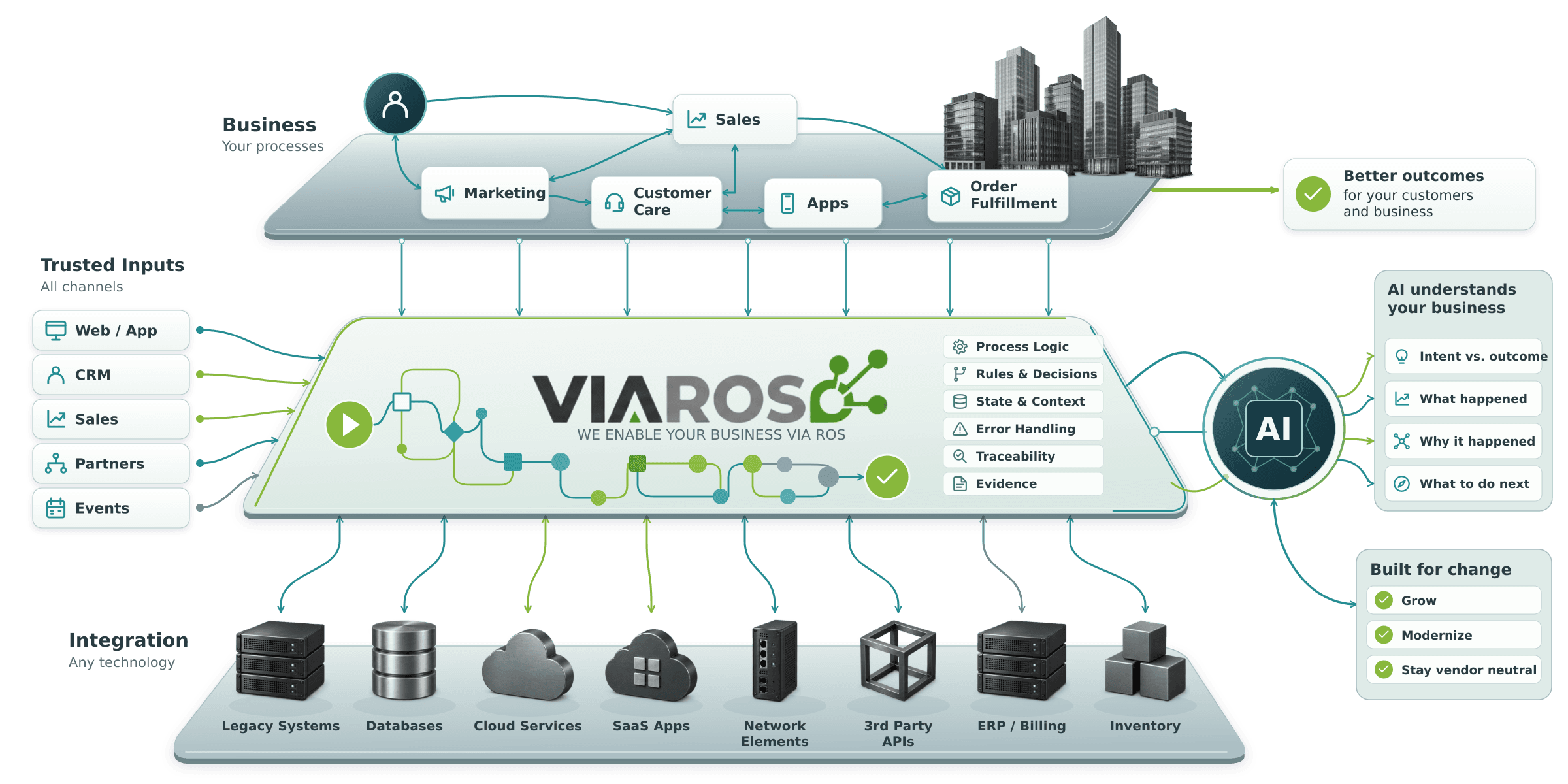
Your systems, working as one. AI grounded in your business.
ViaROS makes your systems work together so you can launch new offers and deliver on your customer promises. We build complete processes in ROS, our execution platform, and develop what’s missing.
ROS connects how your business should operate with the history of what actually happened. Your chosen AI can use that context to explain results, help improve delivery, and inform your next move.

You bought capable systems. But your team may still spend its time connecting the work, checking the result, and solving the same problems. ROS lets you put that coordination into the process itself.
Build on the applications your people know, rather than replace everything to fit one vendor’s way of working.
Your offers, services, and customer promises determine how the process should work, not just what today’s setup allows.
Put repeatable handoffs and checks into ROS instead of leaving people to bridge the gaps.
Your systems keep doing their jobs. Your business decides how they work together.
ViaROS implements your unique business process in ROS, including the business logic, integrations, and orchestration that carry it out.
For a service upgrade, if your rule is that the new plan must be active before the old one closes, then ROS will coordinate CRM, billing, and provisioning around that rule. If activation is delayed, closure waits.
Start with the outcome you need
Your requirement becomes behavior the process carries out for each customer, not a manual check your team has to remember.
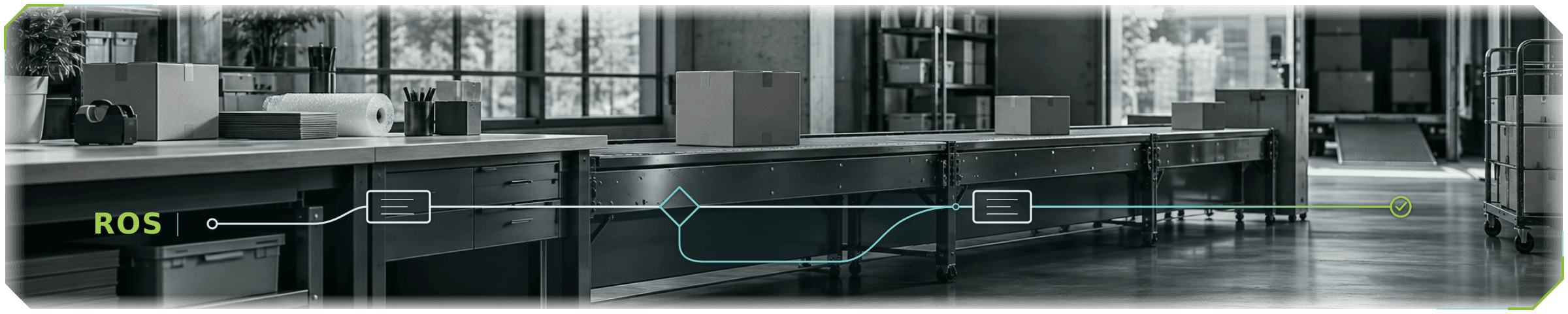
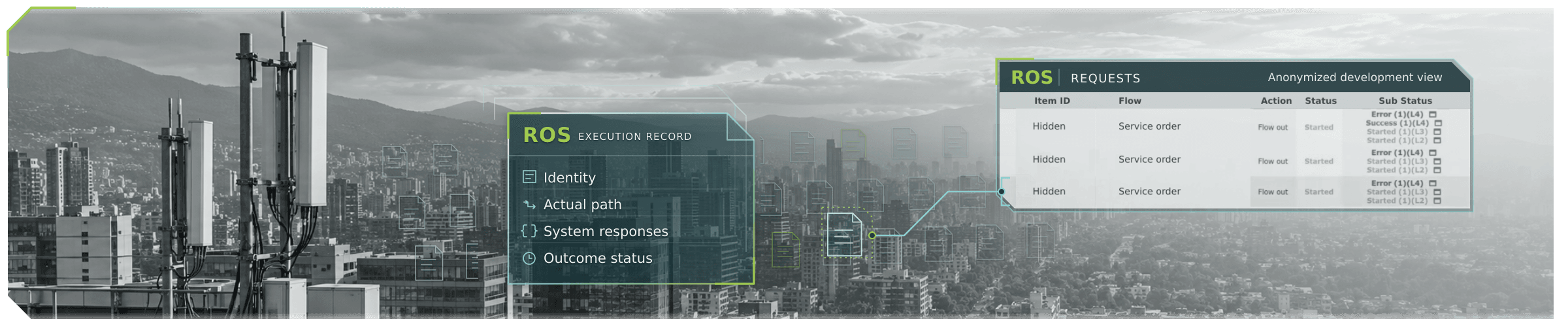
Every order, payment, or request has its own execution in ROS. ROS tracks it across the systems involved, retaining progress and recording what happens. When something fails, ROS pinpoints the step and reported error, with the execution record ready for investigation.
Known conditions follow tested responses. For new conditions, ViaROS works with the relevant system owners to resolve the issue and strengthen future handling. Recurring errors are eliminated to near zero.
Locate the affected transaction, step, and system response.
Find the cause and establish how the process should respond.
Apply the appropriate correction with the relevant system owners.
Build, test, and approve handling for future matching conditions.
Check the outcome and performance of subsequent executions.
Less repeat investigation. Less manual recovery. More dependable delivery for your customers
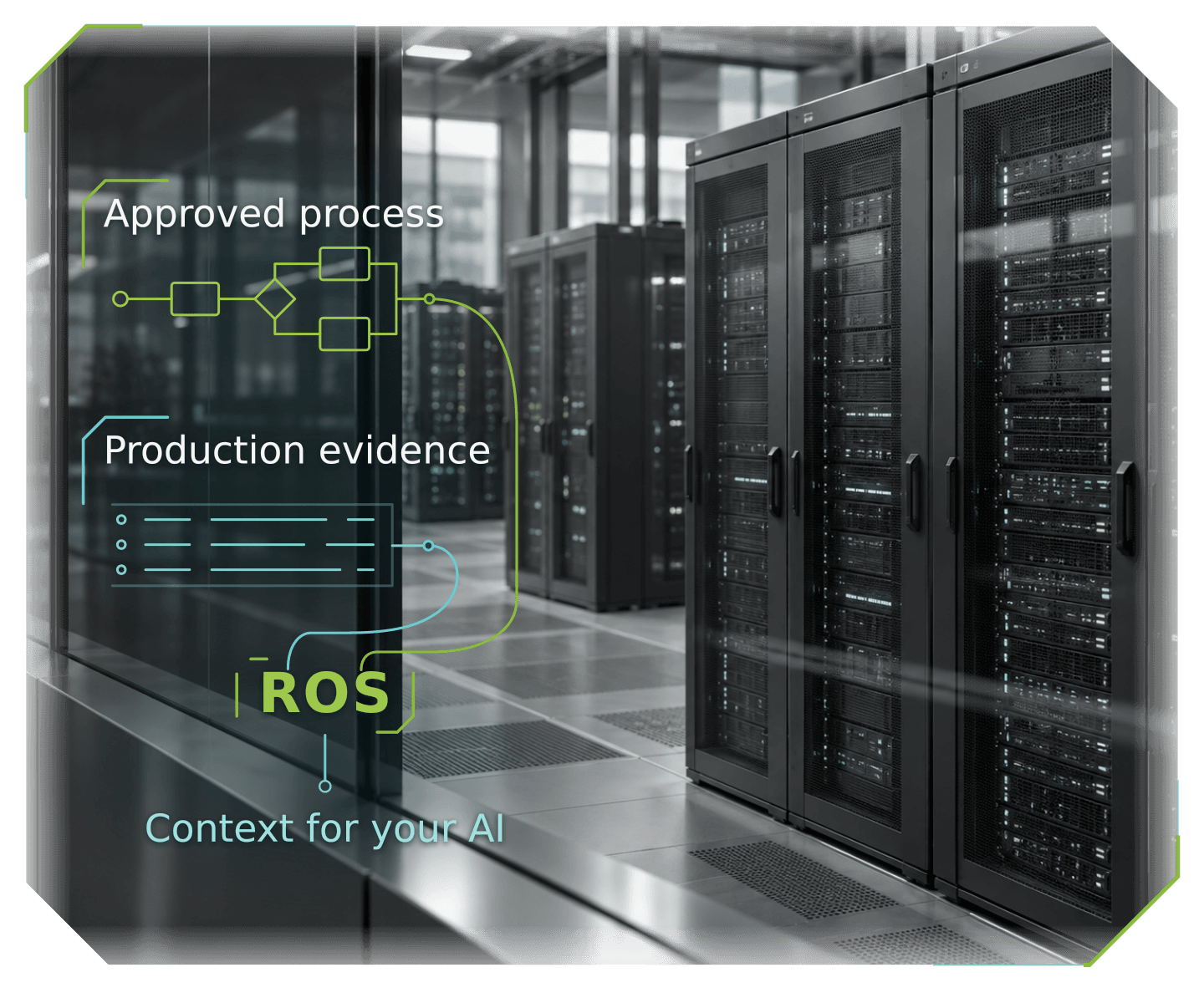
Because ROS runs the process, it holds both the rules directing the work and the history of each execution. Your chosen AI can examine what should happen, what actually happened, and how the two relate.
The intended outcome and what confirms it.
The rules that determine each path.
System roles, sequence, and dependencies.
Approved responses to known conditions.
The recorded result for each request.
The path taken and the information used.
System responses, waits, and failed steps.
How problems were handled and what followed.
Transactions carrying the same customer ID connect that customer’s activation, payments, upgrades, and service recovery across processes running in ROS. Your AI can examine that history against the rules governing the work, helping you understand what the customer experienced, how your operation contributed, and where it can improve.
ROS runs live telecom operations across the Americas, including at Tier-1 telecom operators. Years of real transactions, recovery, and changing requirements stand behind the technology used for your business.
800+
Successful ROS projects
8+ years
Proven in production
Billions
Transactions processed every month
800K+
Automatic recoveries. One client. One month.
Your process is company-specific. The technology behind it is production-tested.
See what changes when the complete process works, not just the individual systems.
ROS ran activation across Salesforce, billing, charging, and provisioning, enabling the operator’s first complete activation within months and supporting go-live.
ROS made prepaid top-ups reliable and traceable, with execution reports supporting reconciliation across the operator’s systems.
ROS ran number transfers, timing rules, exception handling, and required reporting as one process. Recurring fines ended.
Bring the goal and the systems you have, not a finished technical specification. ViaROS works with your business and technical teams to define, implement, and test the complete process in ROS.
We reuse your existing capabilities and ROS technology, focusing investment on what the process actually needs. Scope, system access, readiness, and timing are agreed before implementation.
Less to rebuild. More of your investment put to work.
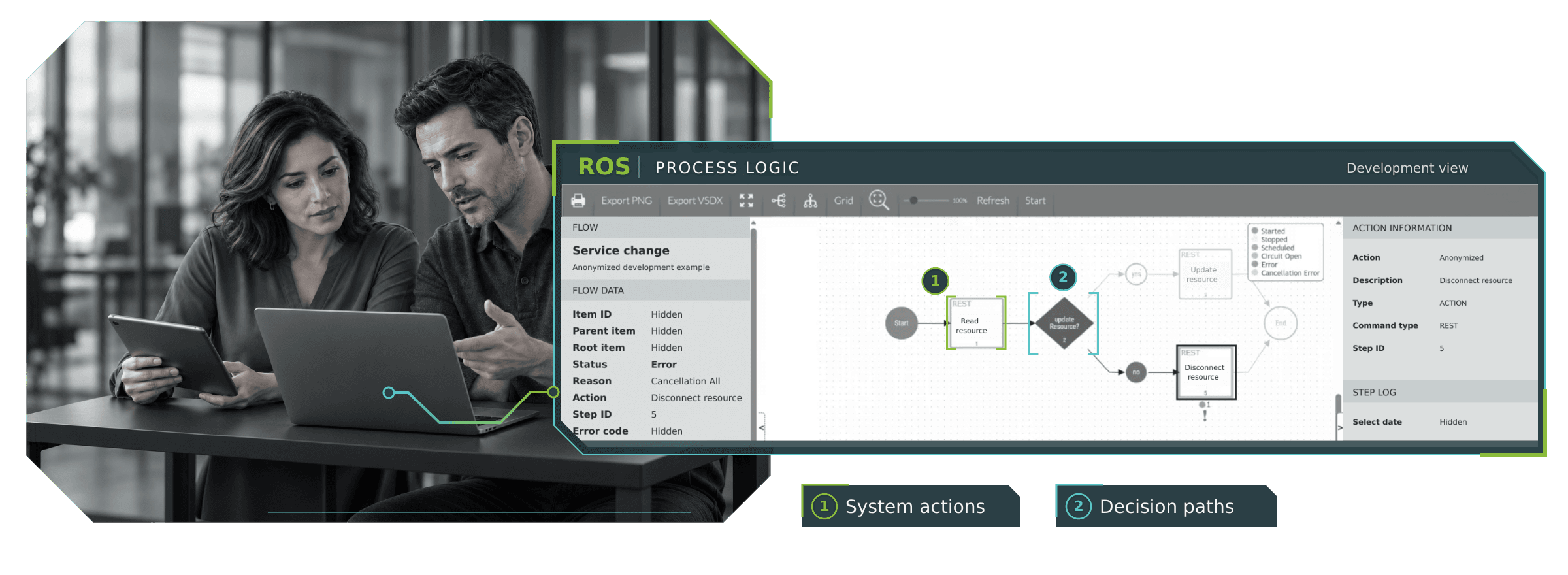
Your business will evolve. ROS evolves with you. Your requirements will change. ViaROS updates the affected parts of the process in ROS while retaining the rules and tested responses that still apply. Each change builds on the operation already established.
Keep the business requirements. Update and test the connections to your new CRM, billing platform, or other application.
Build a new product, policy, or customer promise into the process, reusing the capabilities that still fit.
Connect new AI tools to the operating logic and transaction history your business has established in ROS.
Your team or AI can help identify an improvement. You approve the change. ViaROS implements and tests it. ROS runs it and records the results.
The next investment builds on what your business has already learned.
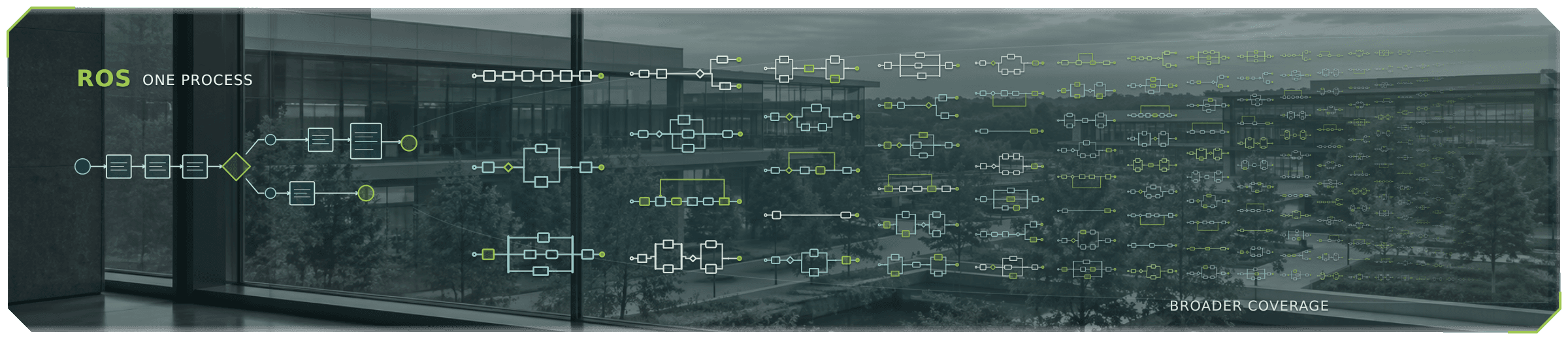
One process gives you a working result to measure. The larger opportunity is to bring the cross-system processes that matter to your business into ROS, so they run cohesively under your company’s requirements. More executions deepen the history. More connected processes broaden what your business can run and your chosen AI can understand.
Run one complete process in production and measure its impact against your business goals.
Extend your operating rules and tested responses across more processes, customers, and transactions.
Connect customer histories and related processes so AI can help examine experiences, dependencies, and recurring problems.
Launch services, enter markets, and adopt new technology by extending capabilities already working in ROS.
Launch the service you envision. Protect revenue. Use AI to understand what is working and where to improve. Bring us one business goal and the systems you have. Let’s explore a fast, cost-effective way to put that goal into operation.